

%20(1).png)
→ Why Mixing Stone, Mulch, and Plants Creates a Better Landscape Plan
→ Where to Use Stone Around the Home
→ Where to Use Mulch Around the Home
→ How to Use Plants to Tie the Landscape Together
→ How to Create Clean Transitions Between Stone and Other Materials
→ Best Landscape Barn Products for Stone and Planting Bed Projects
→ Avoid Common Mistakes: How to Plan the Right Amount of Material
→ Build a Landscape That Looks Finished and Stays Easy to Maintain

Mixing stone, mulch, and plants makes landscape plans more balanced, aesthetic, and functional. Stone and gravel add structure and durability, mulch helps retain moisture and reduce weeds, and plants add color and texture.
There are different ways to utilize stone landscaping around your home:
Using stone around walkways and entry areas adds both durability and curb appeal to your home. Stone is ideal for high-traffic areas like walkways and entry areas as it can help define paths, reduce erosion, and keep the area cleaner and easier to maintain.
Decorative gravel is both practical and attractive for patios and sitting areas. It can be used to surround fire pits, fill gaps between pavers, or create low-maintenance seating areas. The natural texture and color of decorative gravel can also add visual interest.
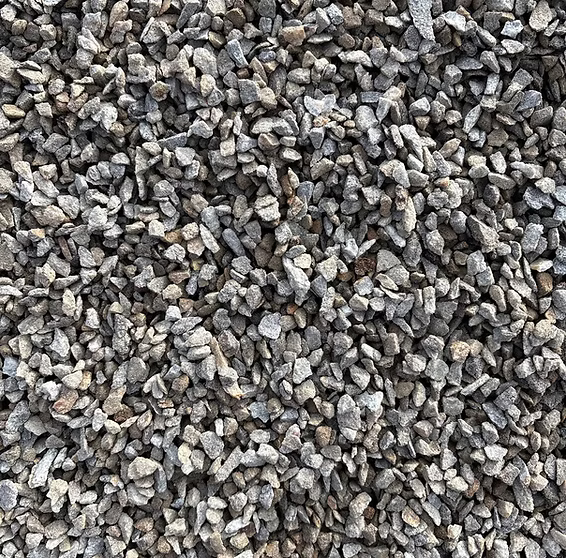
Crushed stone works well along driveways and utility areas because it improves drainage and helps reduce mud and erosion. Crushed stone also offers a clean, low-maintenance appearance while helping with the functional parts of the space.
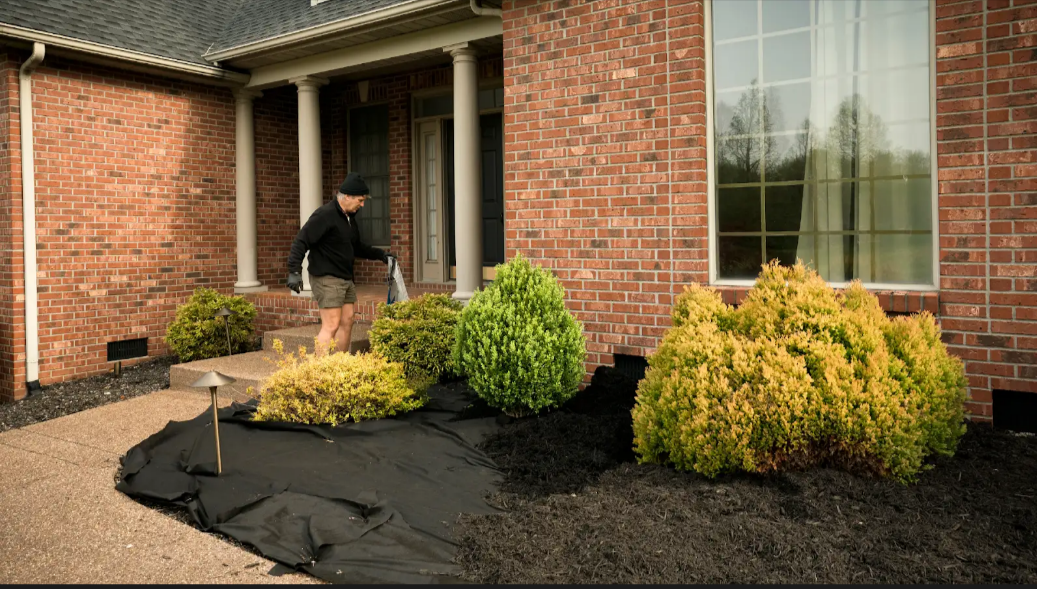
Mulch can be used in various places around the home. It works well in garden beds, around trees and shrubs, along walkways, and near foundations. Mulch helps retain moisture, regulate soil temperature, and reduce weed growth, all while creating a cohesive look.
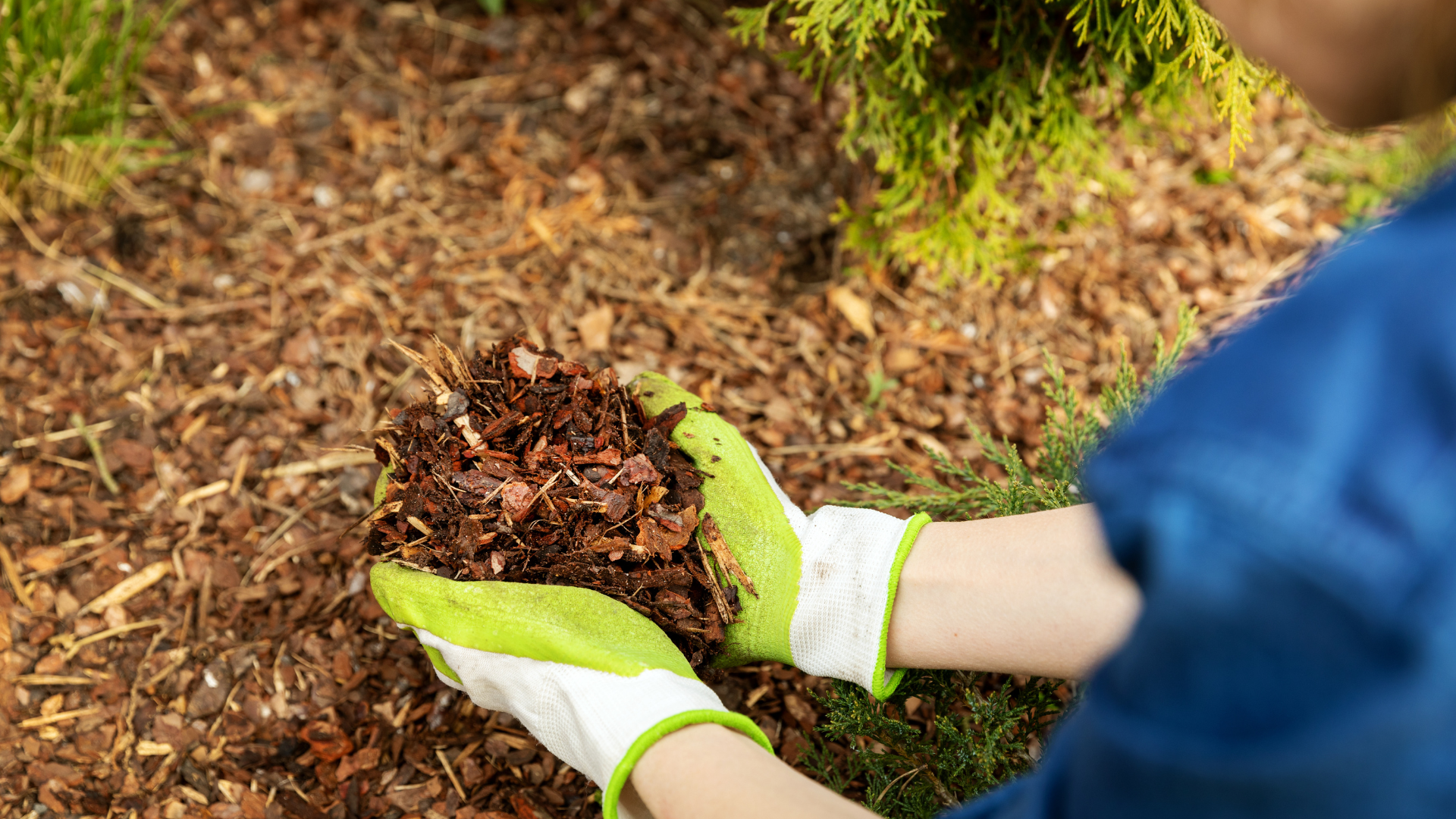
Plants help tie home landscaping together by adding color, texture, and flow across different exterior spaces. Using similar plants across the entire exterior of the home creates a cohesive and balanced landscape design.

There are different ways to create clean transitions in your landscape design. Below are some examples:
Using edging between stone and mulch beds creates a cleaner, more organized landscape. Edging can define borders, prevent gravel from spreading into planting areas, and reduce maintenance. Clean edges also improve the overall appearance of your landscape.
Keeping stone away from soft planting areas helps protect plant health and maintain a balanced landscape design. Too much stone around delicate plants can increase soil temperature, reduce moisture retention, and create a harsh appearance.
Matching bed shapes to your home’s layout helps create a more cohesive and natural looking landscape design. Aligning planting beds, stone borders, and other landscape features with the shape of the house creates smoother transitions between materials and gives the entire yard a more organized appearance.
Below are some of the best Landscape Barn products for stone and planting bed projects:
New England River Rock combines durability, natural beauty, and regional compatibility. It allows for good drainage and long-term stability.
White marble is popular for stone and planting bed projects because it offers a clean, bright look that instantly enhances curb appeal. Its reflective surface helps brighten shaded areas and makes greenery and flowers stand out more vividly.
Crushed stone is durable, affordable, and highly functional. Its angular shape helps it stay in place better than rounded stone and provides excellent drainage around plants and structures.
Mexican Beach Pebbles offer a smooth, naturally polished look with rich, dark tones that create strong contrast against greenery and lighter hardscape materials. Their rounded shape makes them comfortable to walk on and visually softens landscape edges.

Slate is often used in stone and planting bed projects because it offers a natural, layered texture and rich color variation that adds depth and character to landscapes. Slate is also durable and weather resistant, holding up well in different climates.
Planning the right amount of material for landscaping projects comes down to measuring accurately, choosing the correct depth and volume before you order. From there, decide the material depth (typically about 2- 4 inches). It's smart to add a small 5-10% buffer to cover any miscalculations or additional materials that may be needed.
A landscape that looks finished and stays easy to maintain starts with a clear structure and simple design choices. Use stone or edging to define walkways and functional areas so that everything has a purpose and place. Choose low maintenance materials to reduce upkeep. Layer plants so that they fill space, reduce weeds, and cover bare spots. Utilizing the same materials and plant types throughout your outdoor space creates cohesion and improves the ability to maintain the space.
Take the guesswork out of your next project! Use our Project Calculator to quickly estimate the materials you need for your landscaping plans. Get started here with our Project Calculator.


Looking for landscaping stone for your next project, such as driveway, patio, or walkway renovation?
rEAD MOREWe’re here to help you bring your outdoor vision to life—reach out with any questions or to start your next project.


.svg)

.svg)

.webp)


.svg)

.svg)