

%20(1).png)

→ Stone & Gravel Trends We Expect to See in 2026
→ Sustainable Drainage and Erosion Control Solutions
→ Decorative Gravel as Mulch Replacement
→ Accent Stone Features & Focal Points
→ Gravel Driveways & Parking Areas
→ Innovative Backyard Living Spaces
→ How to Choose the Right Stone & Gravel for Your 2026 Project
→ Final Thoughts: Bringing 2026 Stone & Gravel Trends to Your Home

If there’s one thing we’ve learned in the landscape supply world, it’s that trends always circle back to the same idea. People want outdoor spaces that look good, work well, and last. 2026 is shaping up to be the year where function meets personality with more intentional designs.
We’re already seeing homeowners mix materials more confidently. Instead of one stone doing all the heavy lifting, projects are blending textures, layering sizes, and pulling colors that complement the home instead of competing with it. There’s also a noticeable push toward local materials and long-term installations. DIY projects aren’t going away, but they’re evolving, folks are building smarter, not just faster.
Another trend we expect? Bold, intentional borders. Gravel beds, driveways, and patios will have cleaner separation lines, defined edges, and better base preparation. People are tired of fighting wash-out and migration. 2026 is looking like a response to the past few years of trial-and-error landscaping. Less guesswork, more “build it once, enjoy it forever.”
Pathways are one of those elements that most people overlook until they’re walking through their yard. In 2026, we expect pathways to be less about necessity and more about experience. Instead of straight, predictable lines, we’re seeing more curved, modern designs that move naturally through the landscape.
Natural flagstone will still be a staple, but stepping stones set in decorative gravel beds are becoming a favorite. It gives the structure of stone with the softness of gravel, and the end result feels intentional without looking too formal. The big focus is balance and modern installs that still look at home in nature.
.jpg)
One of the easiest ways to elevate a walkway is by mixing stone sizes. Think of it like a gallery wall but for your yard, different shapes and dimensions working together to create interest. Smaller stones fill gaps, larger ones anchor the layout, and the final look has depth instead of repetition. It’s a small tweak that makes a big difference.
French drains, swales, permeable surfaces, and smart slope management are no longer “bonus features” they’re part of the foundation. More homeowners are asking questions about water flow before they start placing rock, which tells us the mindset is shifting. And we’re here for it. A beautiful yard that erodes every spring isn’t beautiful for long.
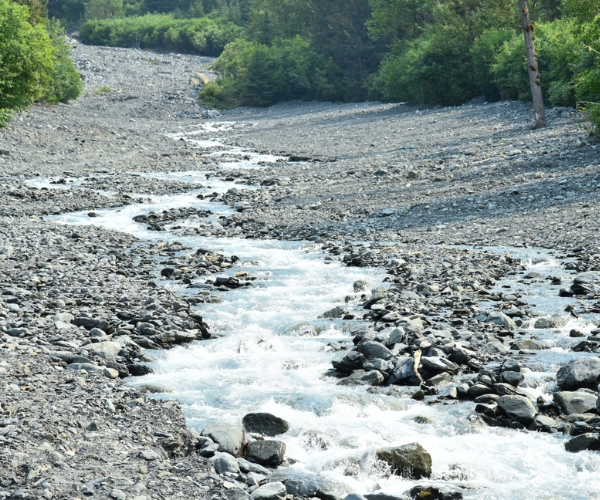
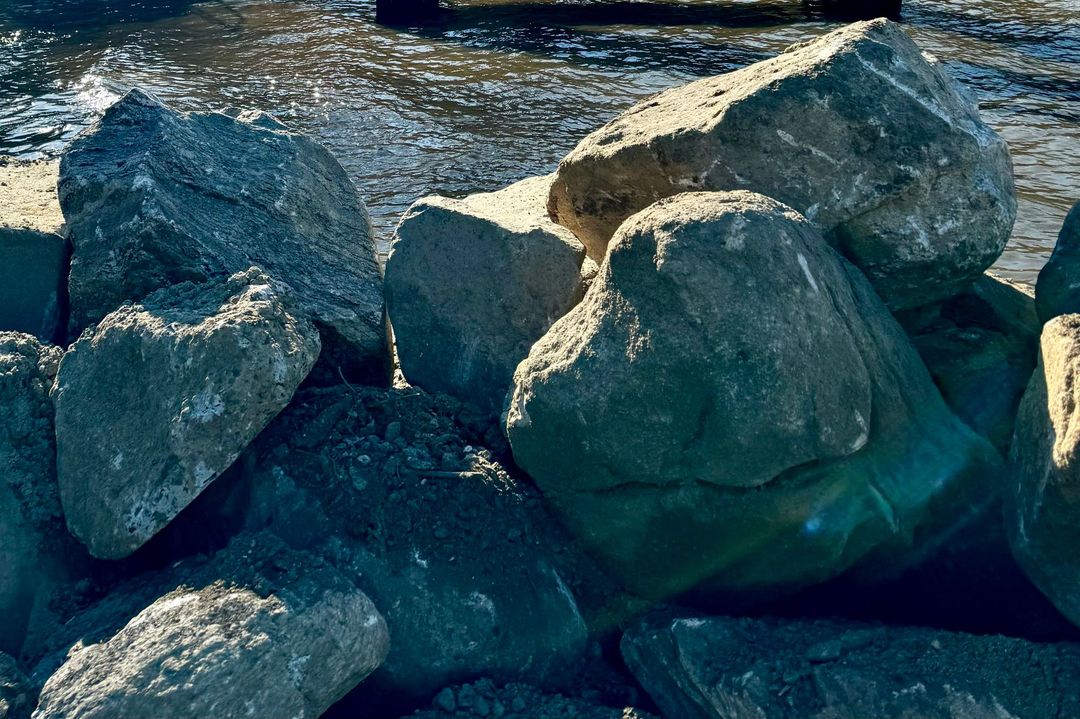
Rip rap is getting a glow-up in 2026. Instead of being purely functional, it’s becoming a design element, especially along slopes, ditch lines, and water-heavy areas. It prevents erosion, slows water, and looks rugged in the best way. The key is placement. When done right, it feels like part of the land, not an afterthought.
Mulch has its place, but more homeowners are trading it out for gravel, especially around modern homes, low-maintenance yards, and high-traffic areas. Gravel doesn’t blow away, it doesn’t decompose, and it doesn’t need to be replaced every season. That alone is enough to sell most people.
But there’s also the aesthetic appeal. Decorative gravel beds look clean, modern, and structured, especially when paired with stone or metal edging. 2026 will be less about redoing beds every spring and more about installing beds that survive it.

Color coordination is one of the biggest differences we’re noticing. Brown gravels for warm homes, white or pearl rock for modern black-and-white exteriors, tan blends for natural, earthy palettes. Instead of choosing what’s cheapest or most available, people are choosing what matches. And the end result looks more like design and less like default.
Focal points are where homeowners get to show a little personality, and 2026 is bringing out some creative installs. Accent boulders, stone borders around trees, rock water features, and stacked stone accents are all gaining traction. These features anchor a landscape visually and give your eye somewhere to land.
Instead of scattering design elements randomly, we’re seeing more intentional placement. One well-placed boulder beats five awkward ones every time.
Fire pits aren’t going anywhere, but their surrounds are evolving. A contrasting stone ring with darker rock around light patios or light rock around dark patios adds definition and makes the space feel grounded. It’s simple, clean, and doesn’t require a full redesign to make an impact.
Gravel driveways are one of the most practical installs in rural and semi-rural areas, but 2026 is focusing on longevity, not just installation. We expect to see more layered base prep, proper depth installs, and smarter stone selection to reduce ruts and wash-out.

We’ll keep saying it because it matters, edging and base prep are what make a driveway last. Without it, gravel migrates, spreads, and sinks. With it? You get a clean border, better compaction, less spread, and way fewer maintenance headaches. 2026 is the year people finally stop skipping this step.
Outdoor living is shifting from “add a fire pit” to “create a social ecosystem.” Homeowners are designing zones for gathering, cooking, lounging, and movement, all tied together with stone and gravel foundations.
We’re seeing gravel-set seating areas, stone-surrounded social circles, and patios that flow into fire zones instead of separating from them. The goal is experience, make the space feel like somewhere you want to stay, not somewhere you walk past.
-p-1080.png)
Instead of a pit in one corner and seating awkwardly scattered around it, 2026 will bring more integrated fire circles. A stone ring with built-in social spacing turns a basic pit into a hub. It creates structure without feeling rigid, and it looks great without trying too hard.
Choosing stone shouldn’t feel like a geology exam. Start with the basics:
A good rule of thumb is bigger rock for drainage and borders, crushed rock for bases, decorative gravel for visual areas, angular gravels for traction, rounded rock for soft accents.
Don’t start with the rock. Start with the goal, the rock is the tool that gets you there. Here’s where you take the questions you just answered and match it to the right material…
And if you’re stuck? That’s why Landscape Barn exists. We live and breathe this stuff so you don’t have to.
If we had to summarize 2026 in one sentence, it would be this: less re-doing, more building. Homeowners are designing with intention, installing with longevity in mind, and choosing stone that complements both the home and the land. The goal isn’t perfection. It’s practicality with personality. And that’s a trend Landscape Barn will happily carry into 2026 with you.
Take the guesswork out of your next project! Use our Project Calculator to quickly estimate the materials you need for your landscaping plans. Get started here with our Project Calculator.


Boost curb appeal with these simple HVAC unit landscaping ideas, including gravel pads, pavers, stone walls, shrubs, and low-maintenance screening solutions.
rEAD MORE
Stone edging is a great way to increase the aesthetic and functionality of your yard. At Landscape Barn, we have a wide variety of stone and gravel products that will serve as great edge options for any yard.
rEAD MORE
Learn from the experts at Landscape Barn how to mix stone, mulch, and plants around your home for a cleaner, more balanced landscape that looks finished and stays easy to maintain.
rEAD MOREWe’re here to help you bring your outdoor vision to life—reach out with any questions or to start your next project.


.svg)

.svg)


.svg)

.svg)